
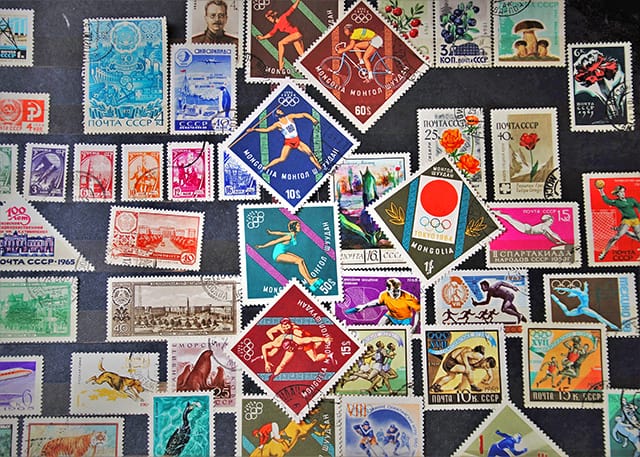
Stamp collecting is a popular and rewarding hobby that allows individuals to explore the art, history, and culture of various countries through small pieces of adhesive paper. Collectors can start by accumulating used stamps or purchasing affordable stamp packets to begin their collection. They can also choose to focus on specific themes or historical periods to enhance the educational and personal significance of their collection. To make informed decisions, collectors should learn about proper stamp storage, cataloging, and valuation methods.
Understanding the difference between used and unused stamps is crucial, as is detecting variations in stamps such as perforations and watermarks. Essential tools for stamp collectors include a stamp album, stamp tongs, magnifying glasses, a perforation gauge, watermark fluid, and a watermark detector.
Stamps can be classified based on criteria such as condition, usage, and origin. Collectors should work with reputable stamp dealers and connect with other philatelists to ensure authenticity and fair pricing.
Stamp collectors can find stamps from various sources, including dealers, online marketplaces, friends, family members, old letters, and postcards. Categorizing stamps based on a theme or country helps maintain order and coherence in the collection.
Proper care is essential to preserve the condition and value of stamps. Stamps should be handled with care, soaked in lukewarm water to remove adhesive residue, dried and flattened on a clean surface, and stored in protective albums or envelopes to shield them from environmental factors.
Stamp collecting has a rich history that dates back to the 19th century. Stamp designs reflect the culture, geography, and important events of their respective countries, allowing collectors to gain insight into the history of different nations.
Thematic stamp collecting involves focusing on a specific subject, such as culture or geography, to create a visually cohesive and more focused collection. This approach allows collectors to explore their chosen topic in-depth and showcases the various ways it has been depicted on stamps worldwide.
Stamp collecting can also be a profitable investment, as the value of certain stamps can increase over time. Factors such as age, rarity, condition, and historical significance should be considered when estimating the value of stamps. Collectors can sell their stamps as an investment through various channels, such as stamp dealers, auctions, or online marketplaces.
Read Full Article